The Big Shift: The 3 Core Superpowers Your Child Needs Between Ages 5 and 7
Between the ages of 5 and 7, something magical happens in a child’s universe. They are stepping out of the cozy bubble of toddlerhood and marching straight into a much bigger world of structured school, complex friendships, and independent thinking.
It’s completely natural for us as parents to obsess over traditional academics like reading and math. But the world’s leading child development authorities, including the Harvard Center on the Developing Child and UNICEF, tell us that rote facts aren't what matter most during this window.
The real secret to their long-term success lies in building emotional, social, and mental resilience. If we want to raise children who truly thrive, we need to help them unlock 3 essential life superpowers.
Superpower 1: The "Internal Brake Pedal" 🛑
(Scientific Name: Executive Function &Self-Regulation)
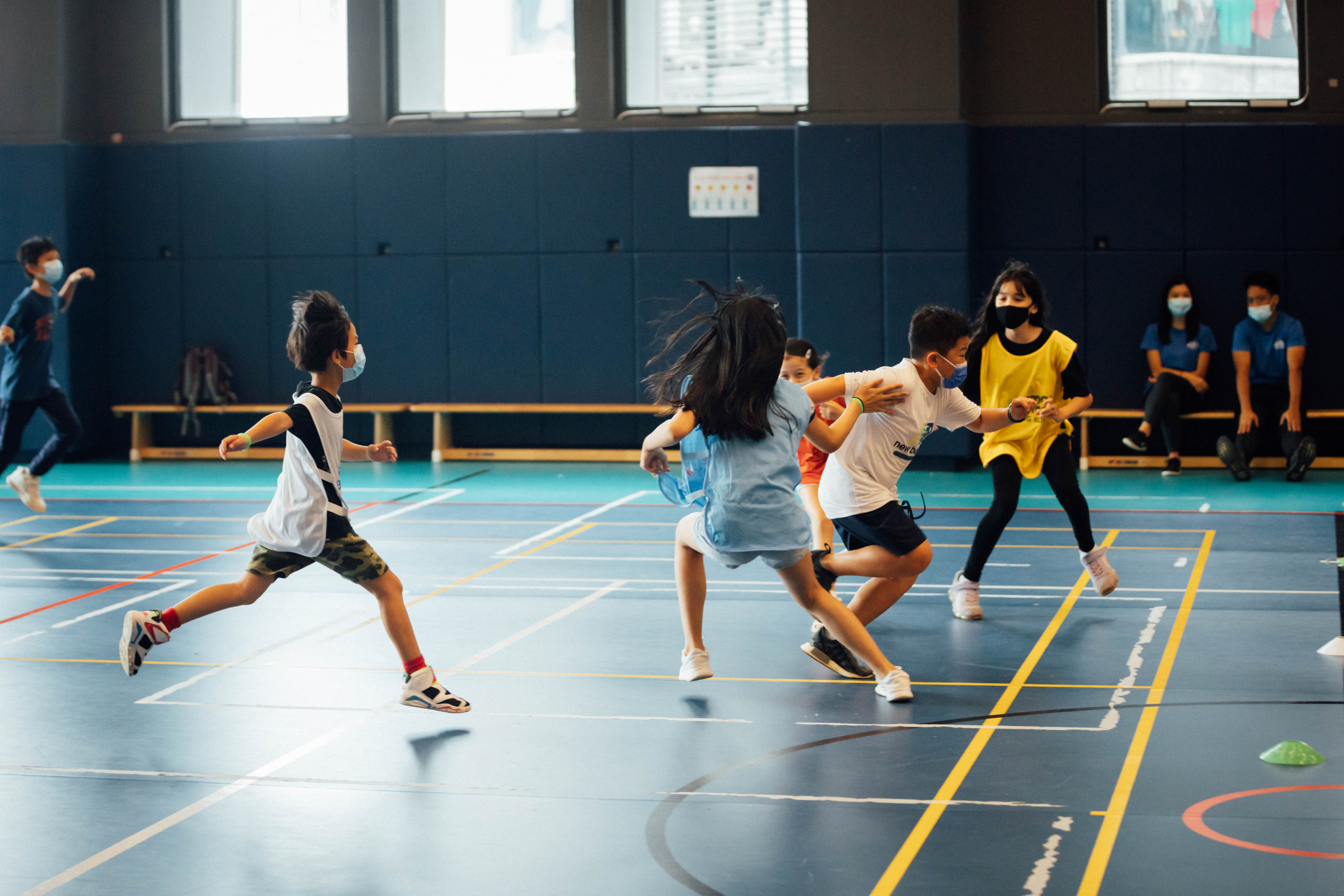
The Story:
Think of your child’s impulses like a fast sports car. At age 5 to 8, their brain is getting a massive engine upgrade, but their brakes are still being installed! This skill is all about helping them build a strong, reliable brake pedal.
What It Means:
It’s the ability to stop and think before reacting. It’s waiting their turn, managing a big wave of anger without throwing a tantrum, and staying focused on a puzzle even when it gets frustrating.
The Camp Magic & Activation:
CBA's fast-paced sports and games, like football and dodgeball, are elite impulse-control training grounds. In these games, the rules change fast. A coach yells "Freeze!" or a whistle blows, and a child running at full speed has to instantly halt their engine. This practice teaches them to regulate their energy, wait their turn in line, and hold their focus when things get loud and exciting.
Superpower 2: The "Human Bridge" 🤝
(Scientific Name: Empathy & Communication)
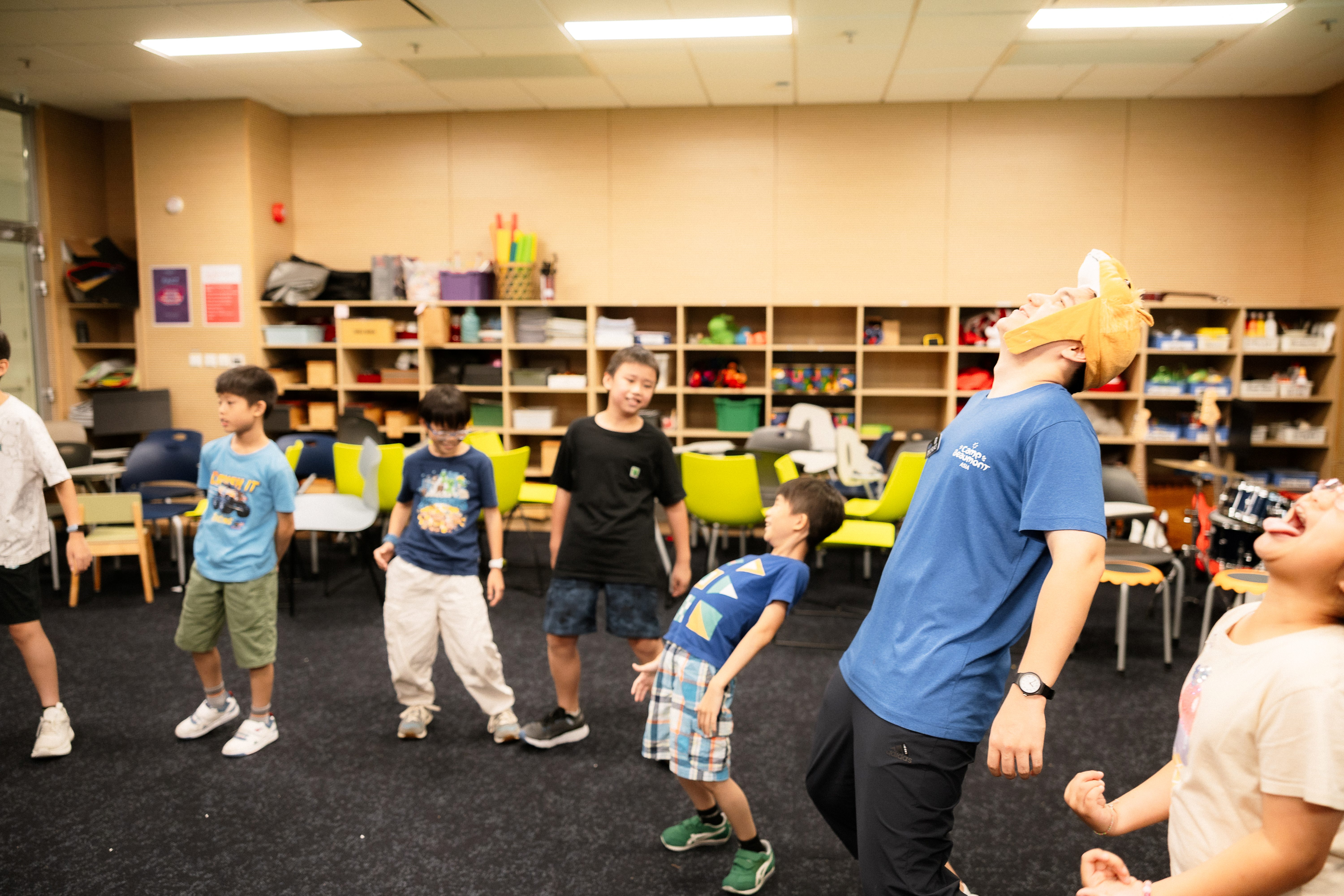
The Story:
Up until now, your child has been the main character of their own tiny movie. But around age 6 or 7, the curtain goes up, and they realize they are part of a giant ensemble cast. This skill is how they connect their heart to someone else's.
What It Means:
It’s reading the room. It’s looking at a friend's sad face and realizing, "Oh, they are hurting right now." It is the magical transition from "I want to play my game" to "Let’s figure out a game we both like."
The Camp Magic & Activation:
You can’t walk through a camp day without joining a collaborative mission, whether it’s a team treasure hunt or a creative group project. CBA staff expertly guide kids to actively listen to each other's ideas, practice empathy when a teammate messes up, and celebrate a peer's victory just as loudly as their own.
Superpower 3: The "Fearless Scientist" 🔬
(Scientific Name: Critical Thinking & Growth Mindset)
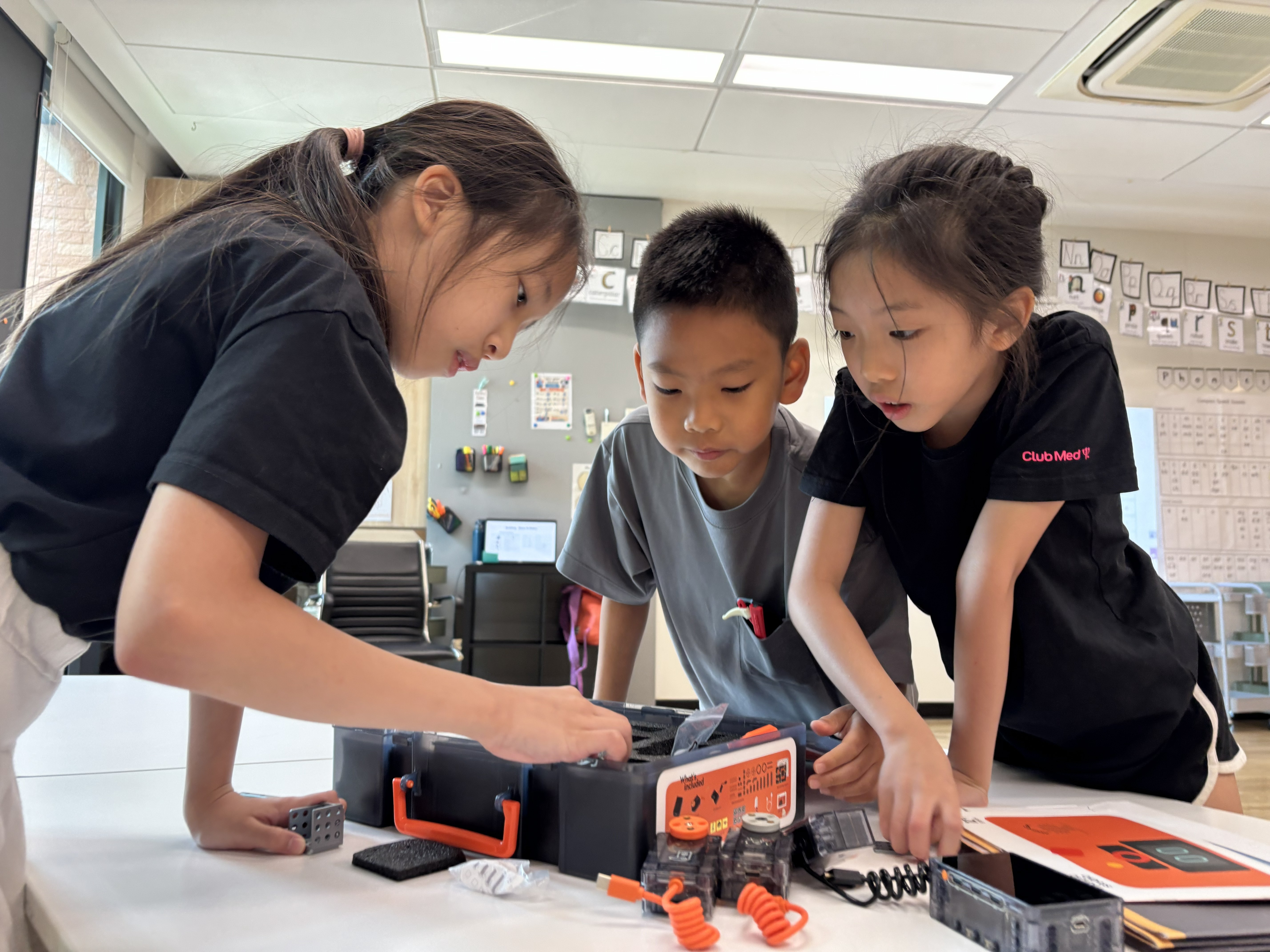
The Story:
Picture a child building a tall block tower. Suddenly, it crashes. One child cries and says, "I'm bad at this, I give up." Another child claps their hands and says, "Whoa! Let's see why it fell!" We want to raise the second child.
What It Means:
It is looking at a mistake not as a failure, but as a fun puzzle to solve. It’s the resilience to try again, and the independence to ask "Why?" instead of just accepting things blindly.
The Camp Magic & Activation:
Our arts, crafts, and creative challenges are designed to show kids that things don't have to be perfect to be amazing. If a craft project doesn’t turn out the way they planned, our coaches are right there with a high-five. A leader might smile and say, "Whoa, look at that unique twist! What can we build next?" This completely removes the pressure to be perfect. Instead of worrying about making mistakes, kids learn to see every little challenge as a fun puzzle to solve, giving them the confidence to just keep trying.
🚀 The Camp Beaumont Power-Up Summary

REFERENCES
(1) Harvard Center on the Developing Child
(2) UNICEF - Learning through play
(3) Aspen Academy - 10 Essential Skills for School Kids to Learn for Success in Life
If you like this post you might also like...


Thank you so much for having our daughter at your summer camp. She was very excited when she returned and enthusiastically showed and told us everything she did at camp. Many thanks to the whole team for looking after her, the varied and lovely programme and the nice and warm atmosphere at camp.


Sign up for news and offers!
Enter your email address to keep up-to-date with Camp Beaumont news, and hear about competitions and special offers.


