How Holiday Camps Help Children Build Social Skills for Life
As parents, we all want our children to be happy, confident, and able to build positive relationships. While academic achievement is important, many of the skills that help children succeed in life are learned outside the classroom: making friends, communicating effectively, working as part of a team, showing empathy, and developing confidence.
Holiday camps provide the perfect environment for children to practise these skills naturally while having fun. In fact, researchers have found that camp experiences can help children develop friendship skills, independence, leadership, self-esteem, and social confidence. (1)
Why Camp Is Different
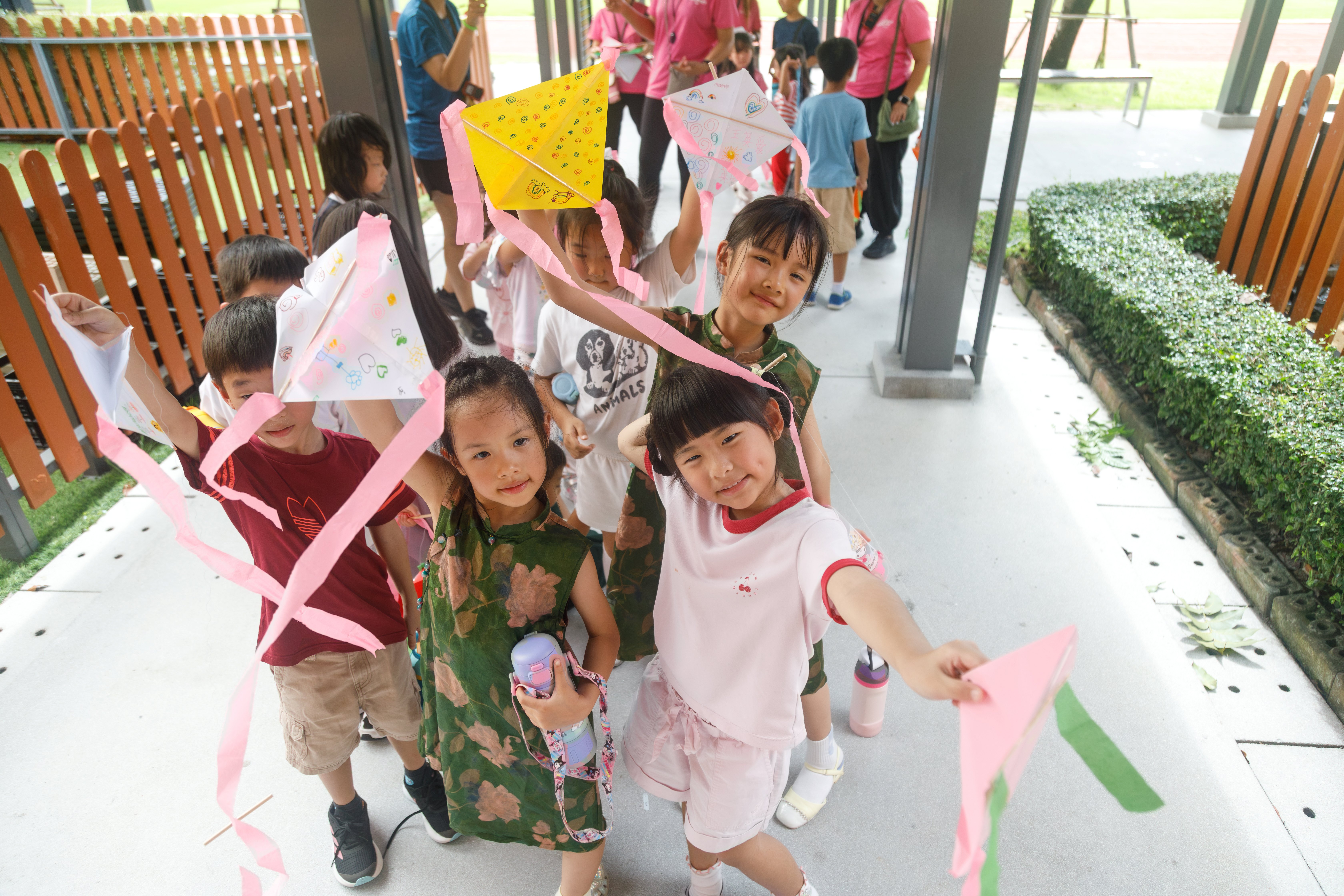
At school, children often spend time with the same classmates every day. At camp, they meet children from different schools, backgrounds, and cultures. This encourages them to step outside their comfort zones, introduce themselves to new people, and learn how to build new friendships. (2)
The best part? Most children don't even realise they're developing these skills. They're simply enjoying activities, working together, and making memories.
Camp Activities That Build Social Skills
Team Challenges and Sports
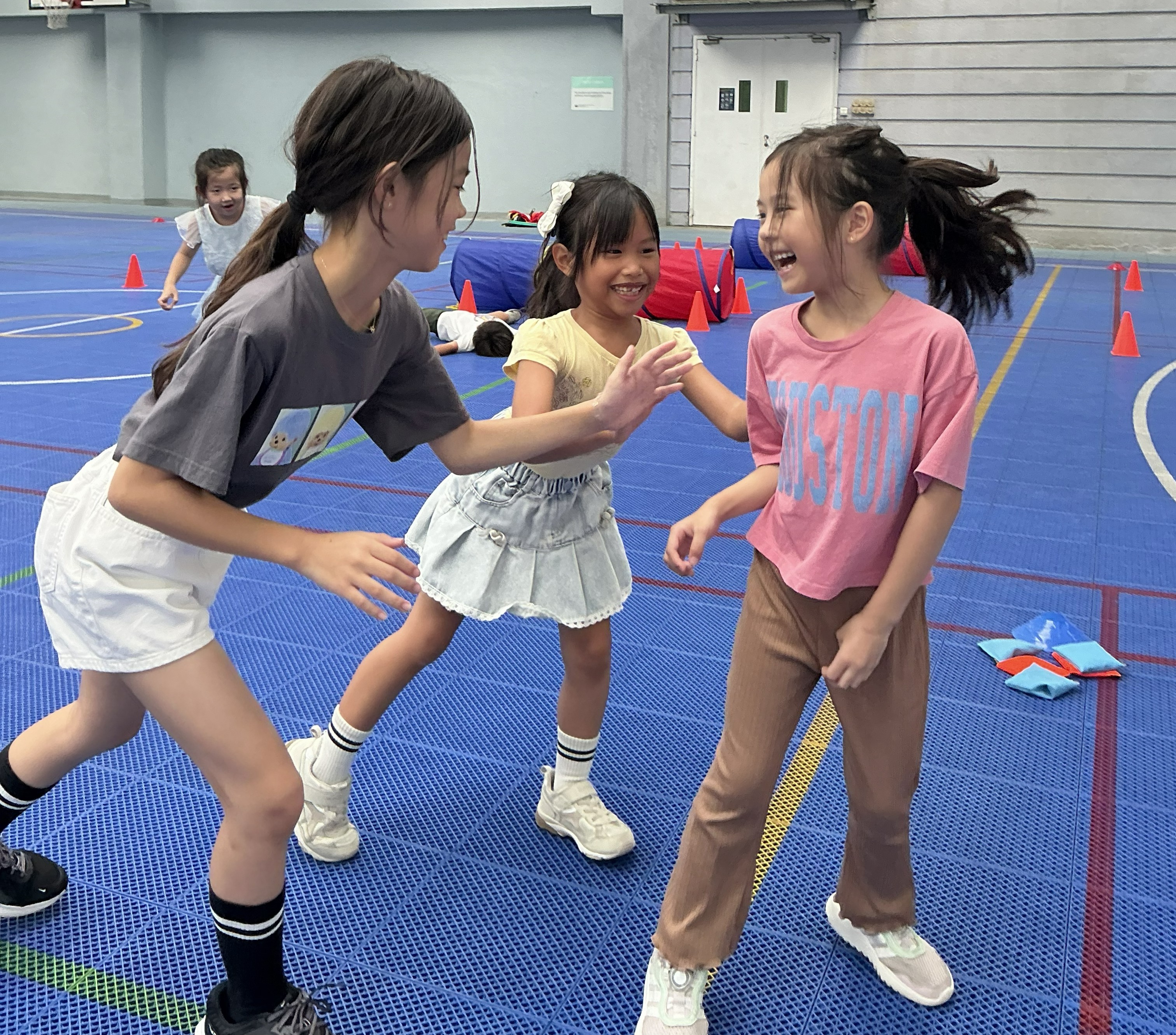
Whether children are completing an obstacle course, playing football, participating in relay races, or working together in a scavenger hunt, team-based activities teach communication and cooperation.
Children learn how to:
- Work towards a shared goal
- Encourage teammates
- Take turns leading and listening
- Resolve disagreements respectfully
Creative Arts and Performance Activities
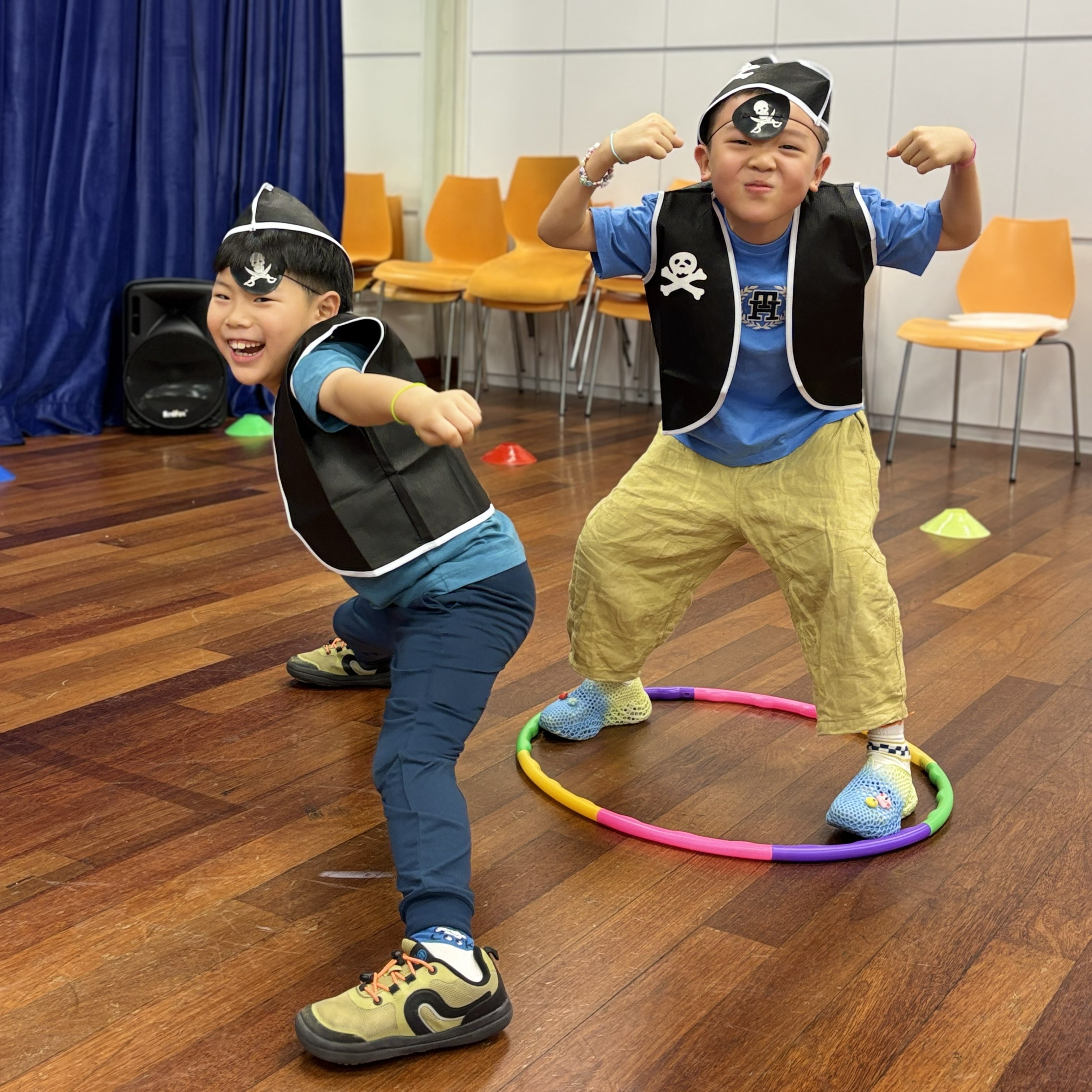
Drama, dance, music, and creative projects encourage children to express themselves and share ideas with others.
For some children, standing up in front of a group may feel intimidating at first. With encouragement from camp leaders and peers, they gradually build confidence and self-expression.
These experiences help children discover that their voice matters, an important skill that supports future classroom participation, leadership opportunities, and social confidence.
Role-Play and Group Games
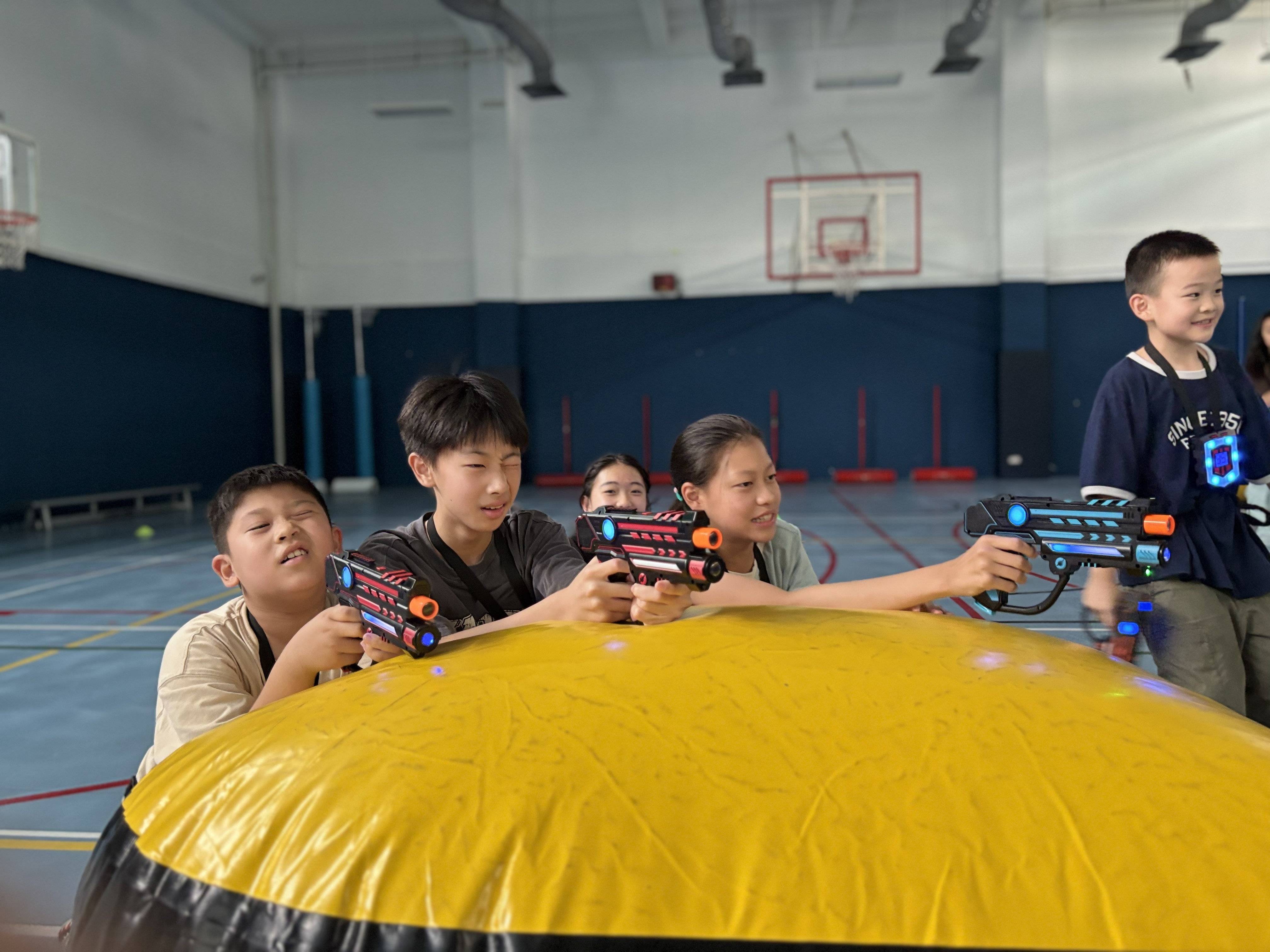
Many camp games involve negotiation, problem-solving, and collaboration.
Whether children are solving puzzles together, participating in treasure hunts, or completing team missions, they must communicate clearly and listen to one another's ideas.
Through these activities, children practise:
- Active listening
- Problem-solving
- Patience
- Empathy
- Respect for different viewpoints
Learning Independence Along the Way
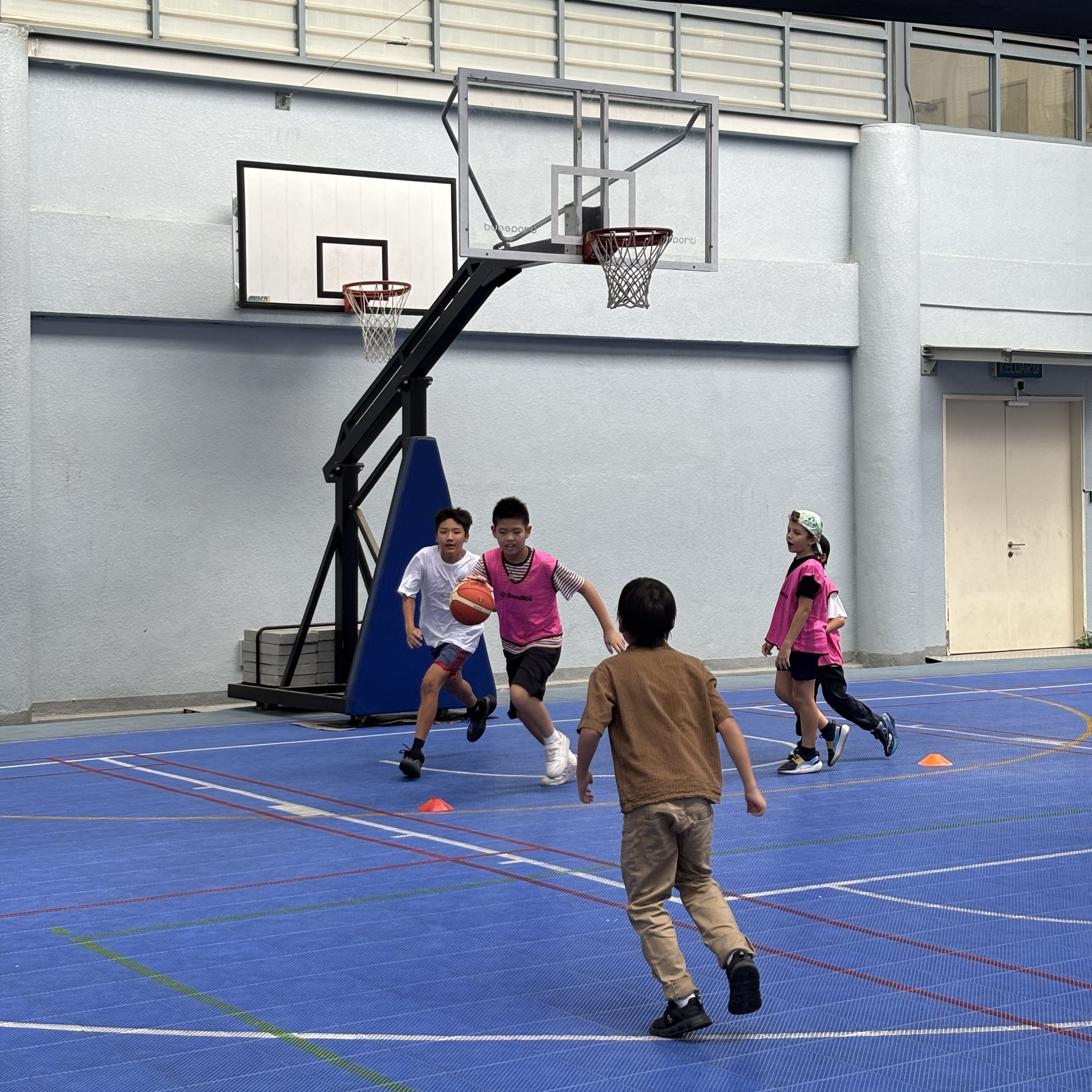
Social confidence often grows alongside independence.
At camp, children make choices, try new activities, navigate unfamiliar situations, and solve small challenges on their own. These moments help them build confidence in their abilities while learning how to interact positively with others.
The American Camp Association's research has found that camp experiences contribute to growth in independence, self-esteem, leadership, social comfort, and decision-making skills. (3)
For parents, this can mean returning home with a child who is more willing to try new things, speak up, and take initiative.
The Skills They'll Use for Years to Come
The friendships made at camp may last for a season, but the skills gained can last a lifetime.
Children who learn how to communicate, collaborate, show empathy, build friendships, and adapt to new situations are developing qualities that will support them throughout school, university, and their future careers.
As parents, we often focus on what our children will learn. At camp, they learn something equally valuable: how to connect with others, believe in themselves, and thrive in a community.
And sometimes, those are the lessons that matter most.
References
(2) Team Building, Teamwork, Group Work, and Camps Karla A. Henderson, Ph.D. North Carolina State University.
(1) (3) Lesson from Camp, by Leah Shafer, Harvard Graduate School of Education.
If you like this post you might also like...


Thank you so much for having our daughter at your summer camp. She was very excited when she returned and enthusiastically showed and told us everything she did at camp. Many thanks to the whole team for looking after her, the varied and lovely programme and the nice and warm atmosphere at camp.


Sign up for news and offers!
Enter your email address to keep up-to-date with Camp Beaumont news, and hear about competitions and special offers.


.svg)