How Children Adapt Quickly to a New Camp Environment
Starting camp can feel like a big step for both children and parents. New faces, new activities, and unfamiliar surroundings may seem daunting at first. However, child development research shows that children are naturally adaptable, especially when they are supported by positive environments, clear routines, and opportunities to connect with others.
Children Are Naturally Wired to Explore
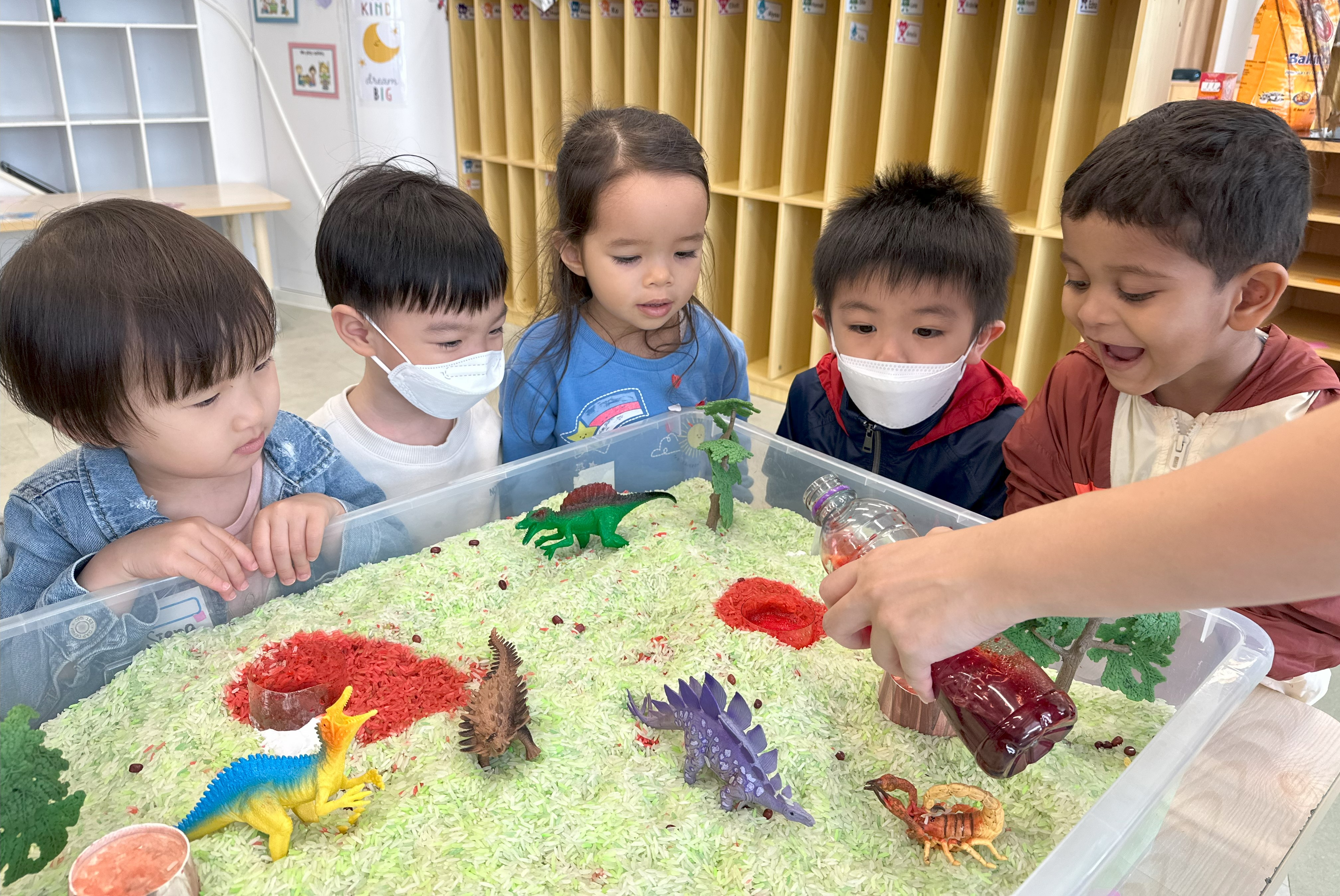
Curiosity is a natural part of childhood. New activities, challenges, and experiences help children learn, grow, and engage with their surroundings. Development experts note that well-designed environments play an important role in encouraging children's learning, participation, and engagement.
While children may feel nervous initially, curiosity often takes over once they begin participating in activities and having fun.
Friendships Form Faster Than Many Parents Expect
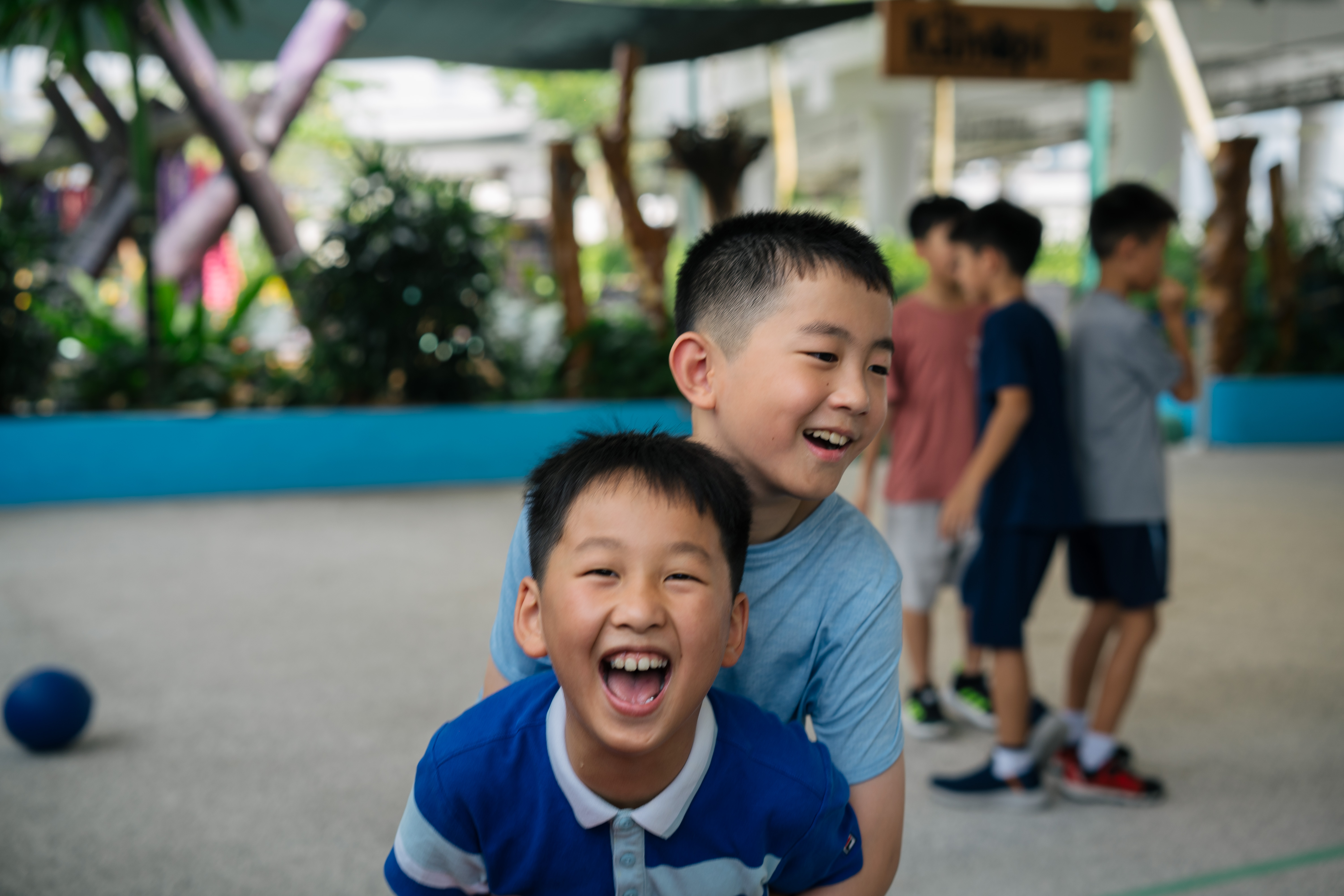
One of the biggest reasons children settle in quickly is the opportunity to make new friends. Through team games, group challenges, and shared experiences, children develop connections and a sense of belonging.
These shared moments, whether winning a team challenge, creating a project, or learning a new skill, can help children form connections surprisingly quickly.
Structure Helps Children Feel Safe
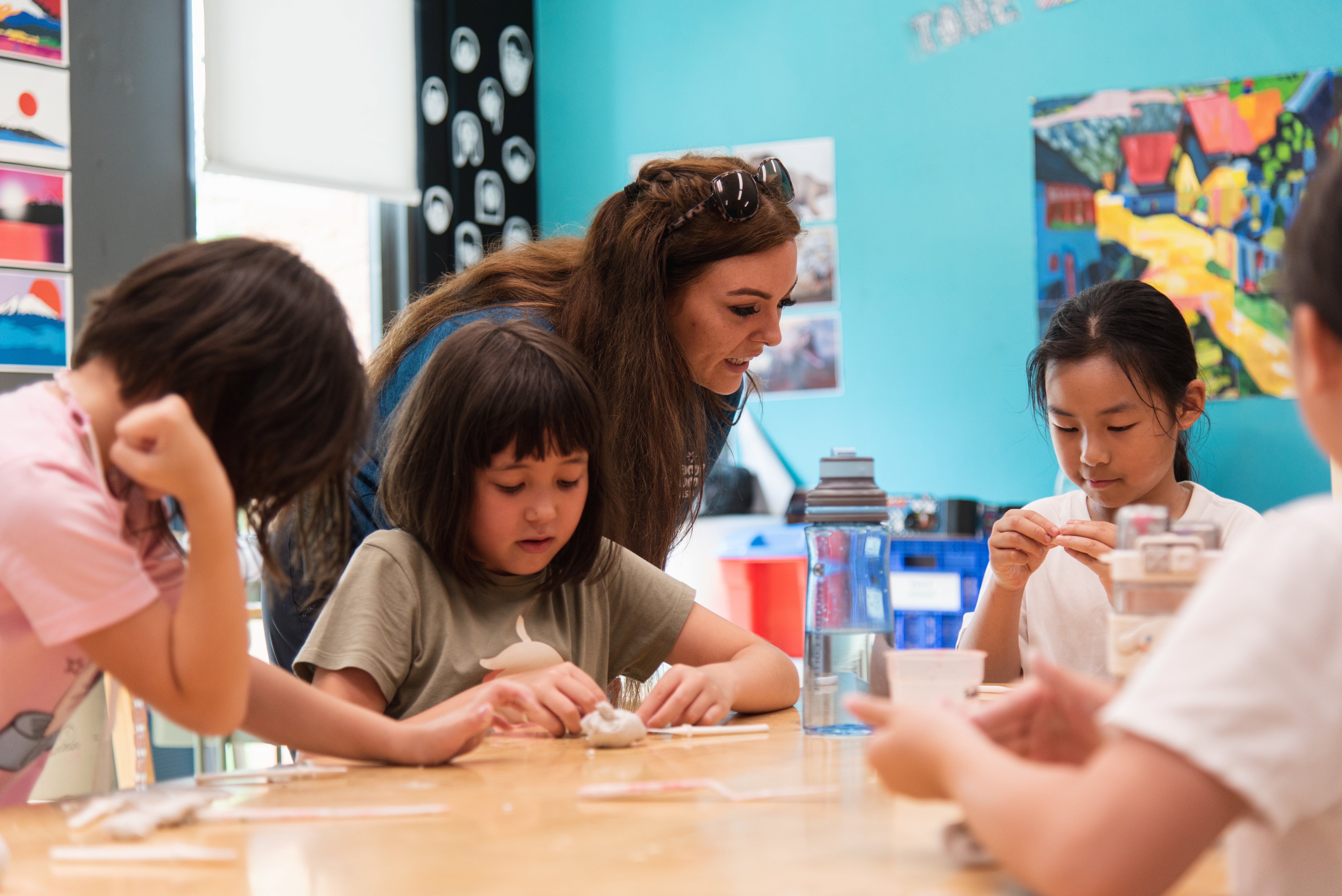
Although camp is full of adventure, it is also built around routines.
Research shows that predictable routines provide children with stability, reduce stress, support emotional regulation, and help them adapt to changing environments. Structured schedules allow children to anticipate what will happen next, helping them feel secure and confident.
New Experiences Build Independence
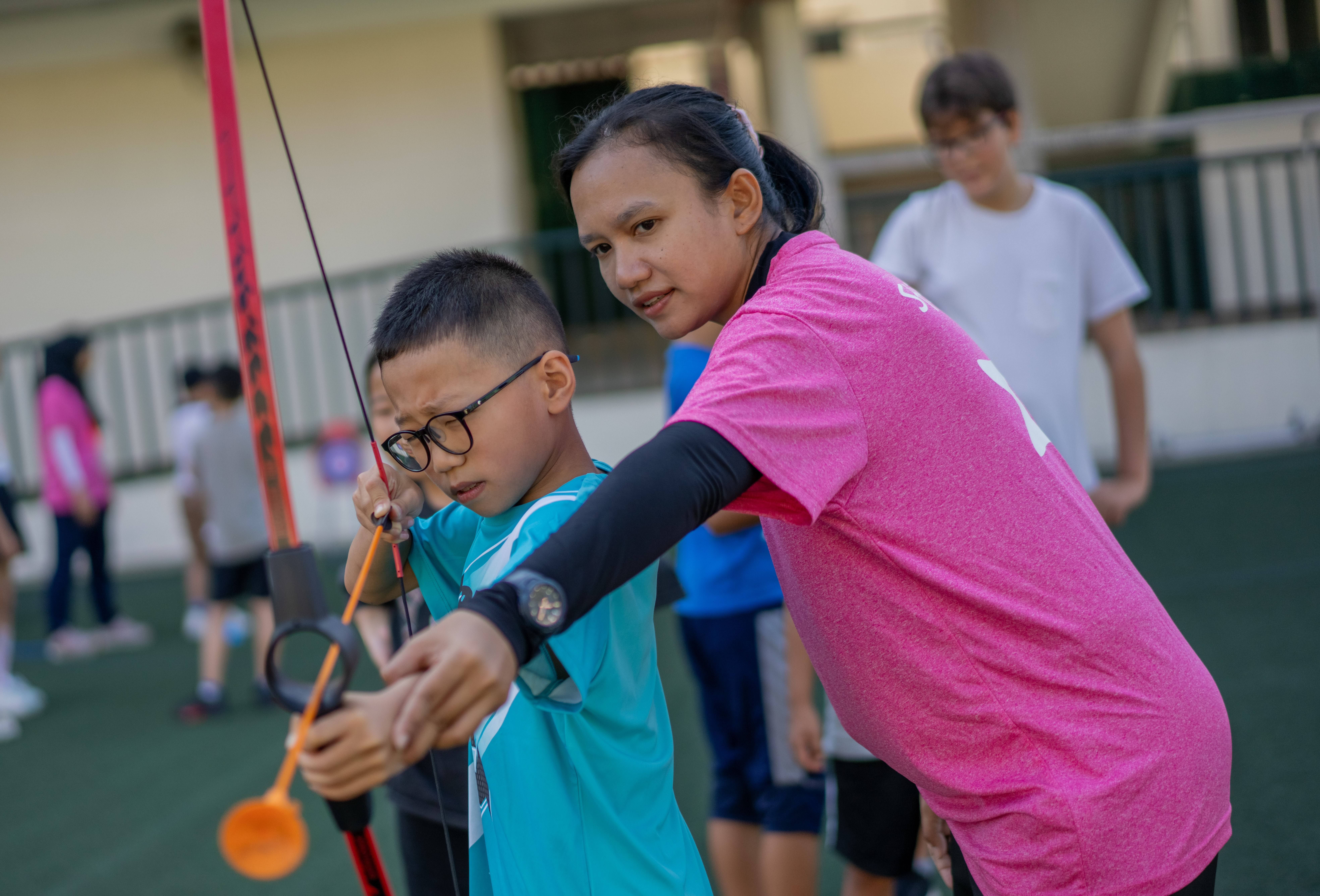
Camp provides children with valuable opportunities to practice independence in a safe and supportive environment.
From joining a new activity to making decisions without immediate parental guidance, children develop problem-solving skills and self-confidence through small everyday successes. Research has found that environments that balance structure with opportunities for autonomy support children's emotional growth and self-development.
Fun Accelerates Adaptation
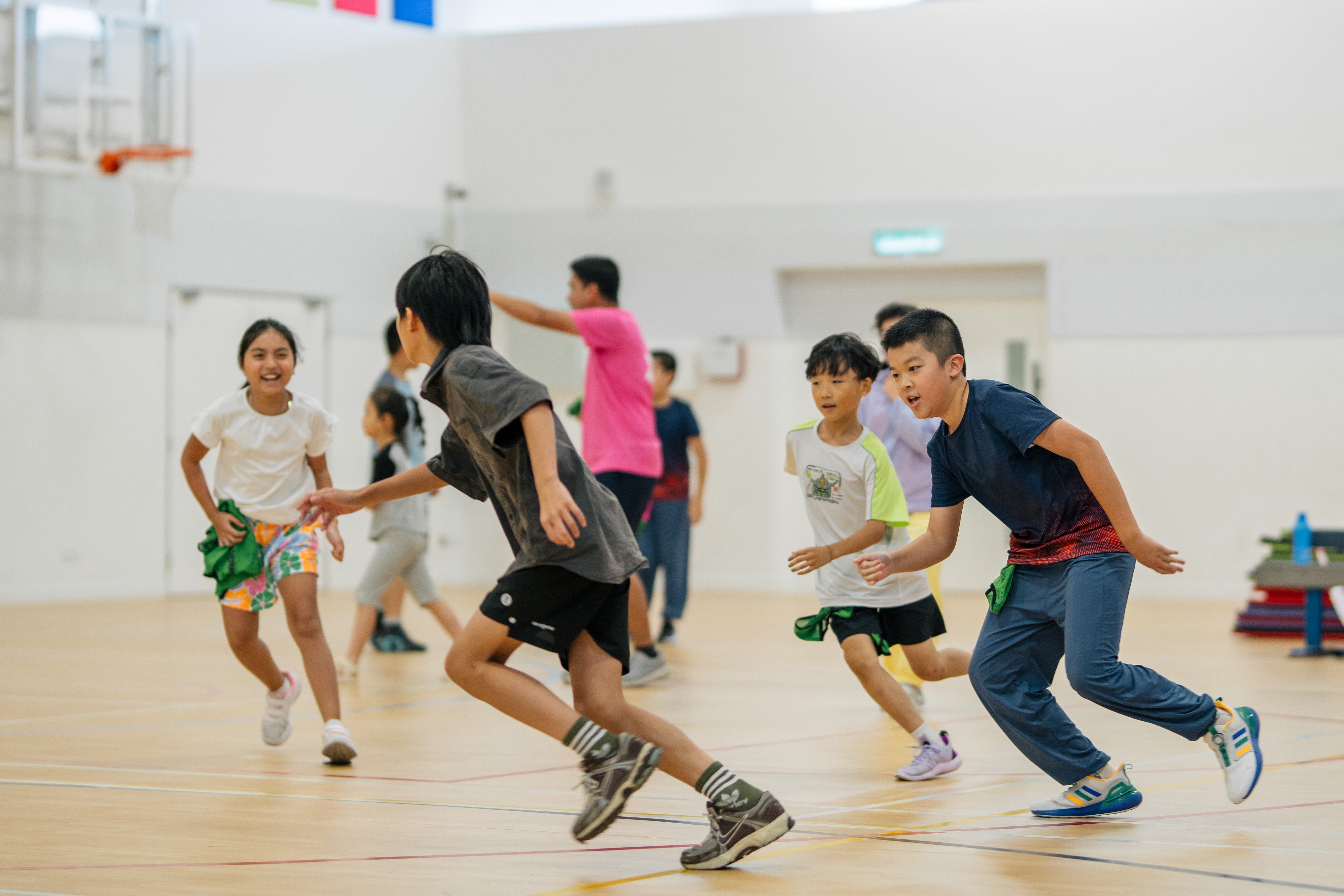
Perhaps the simplest reason children adapt so quickly is that camp is enjoyable.
A day filled with games, sports, creative activities, outdoor adventures, and teamwork naturally shifts children's attention away from worries and toward positive experiences.
Research suggests that engaging environments and meaningful participation increase children's involvement, learning, and social development.
When children are actively engaged and having fun, adaptation happens almost naturally.
A Supportive Start Makes All the Difference
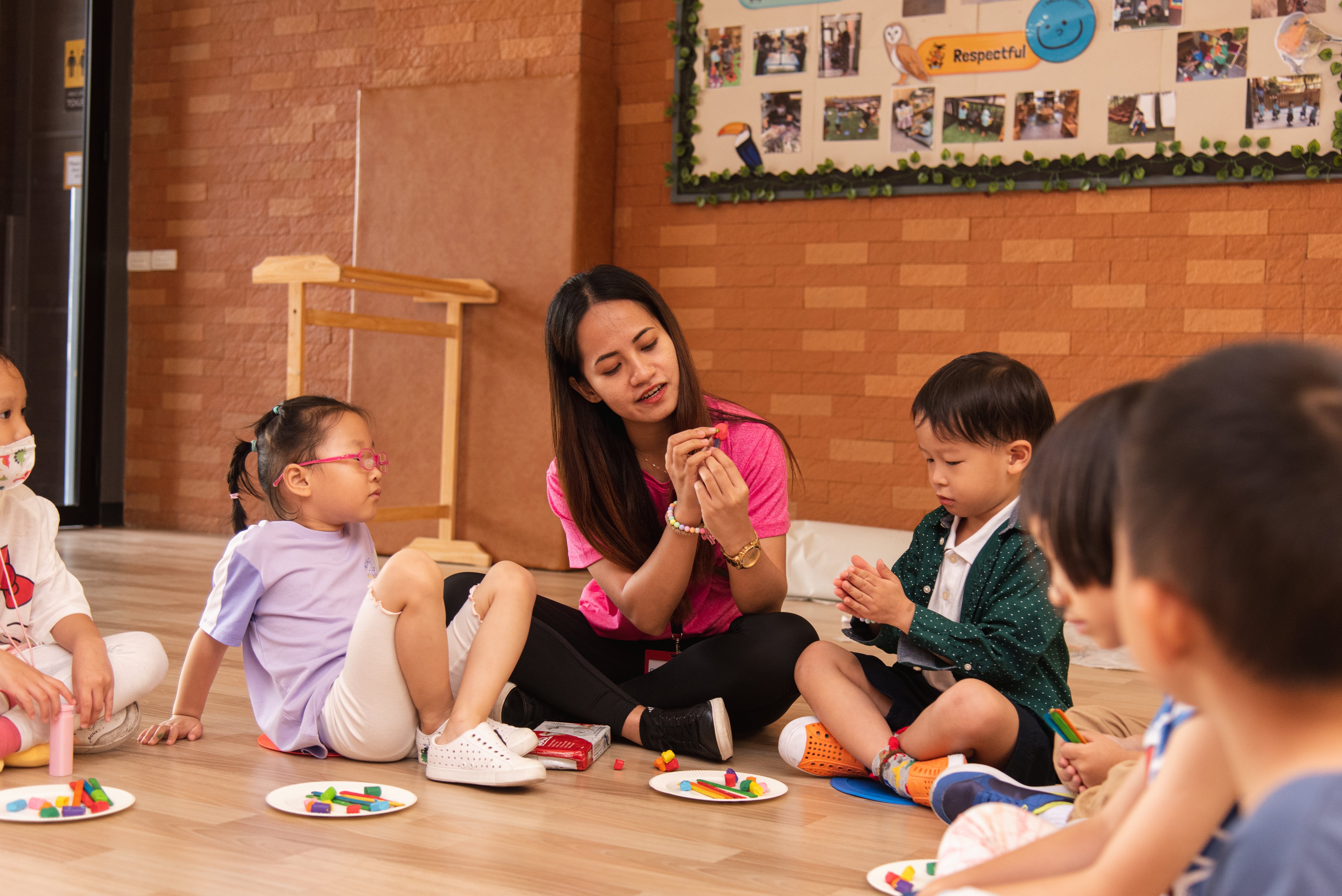
A welcoming environment, encouraging camp leaders, and positive parental support can significantly ease the transition into camp.
Experienced camp leaders understand that some children may need a little extra encouragement at the start. A friendly greeting, reassurance, and opportunities to participate alongside peers can quickly help children feel comfortable and included.
Parents also can help make the transition even smoother by:
- Speaking positively about camp.
- Encouraging children to be open to making new friends.
- Reminding them that feeling nervous is completely normal.
- Discussing activities they are excited to try.
- Demonstrating confidence in their ability to adapt.
While it is natural for parents to worry about how their child will cope in a new environment, research suggests that children are highly adaptable when supported by positive relationships, structured routines, engaging activities, and opportunities for social connection.
At Camp Beaumont Asia, we see children develop confidence, independence, and lasting friendships every day. What begins as a new experience often becomes one of the highlights of their summer, and a valuable step in their personal growth journey.
References
- National Association for the Education of Young Children (NAEYC). Fostering Engagement Within Inclusive Settings: The Role of the Physical-Social-Temporal Environment in Early Childhood Settings.
- Routines and Child Development: A Systematic Review, Journal of Family Theory & Review (2024).
- Peters, B. The Power of Predictability: Examining the Impact of Structured Routines on Behavior and Attentiveness in Early Childhood Education (2025).
- Vander Kaap-Deeder, J. et al. The Relationship Between Autonomy Support and Structure in Early Childhood Education.
- Teachers Institute. The Role of Physical, Psychosocial, and Cultural Environments in Child Development.


Thank you so much for having our daughter at your summer camp. She was very excited when she returned and enthusiastically showed and told us everything she did at camp. Many thanks to the whole team for looking after her, the varied and lovely programme and the nice and warm atmosphere at camp.


Sign up for news and offers!
Enter your email address to keep up-to-date with Camp Beaumont news, and hear about competitions and special offers.


.svg)